
System Modernization. Legacy code to modern cloud-native, shipped in stages with zero downtime.
System Modernization for orgs running legacy PHP, classic ASP, .NET Framework, monolith Rails, on-prem databases, or 15-year-old internal tools that cost more in workarounds every quarter. Strangler Fig migrations. Zero-downtime database transitions. Containerisation. CI/CD setup. Observability. Shipped in stages with the legacy still running until the new system is proven. USD pricing.
Tell us the legacy stack, the pain points (cost, downtime, security, hiring, vendor lock-in), the target stack if you have one, and the business risk tolerance. Scoped modernization roadmap within 5 business days.
Get started in 60 seconds
Who we've built for.






How we work
- Overview
- Three phases from legacy audit to modernized production. We never rewrite-and-replace in one cutover. Always Strangler Fig: new system runs alongside legacy, route by route, until legacy can be retired.
- Step 1 — Scope and architecture
- Two to four weeks scoping. Legacy audit (codebase metrics, test coverage, dependency age, infrastructure cost, security posture, hiring market for current stack). Pain point quantification (downtime hours, support cost, feature velocity). Target architecture design. Strangler Fig route map. Risk register. Phased migration roadmap with milestones and rollback plans.
- Step 2 — Build in sprints
- 8 to 36 weeks build. Phased delivery. New cloud-native services (containerised, CI/CD-deployed, observable) built route by route. Legacy traffic routed via an API gateway or reverse proxy. Database migrations via dual-write or change-data-capture. Feature parity validated per route before traffic shift. Old routes retired only after the new route runs in production for 30 days clean.
- Step 3 — Harden and launch
- Less than 1 week per cutover. Each route cuts over independently. Feature flag rollback to legacy in under 60 seconds if needed. After full migration, legacy infrastructure decommissioned. Ongoing retainer for platform engineering, observability, and continued modernisation.
Recent system modernization and legacy migration builds
Recent modernization, platform engineering, and large-scale system rebuild engagements.
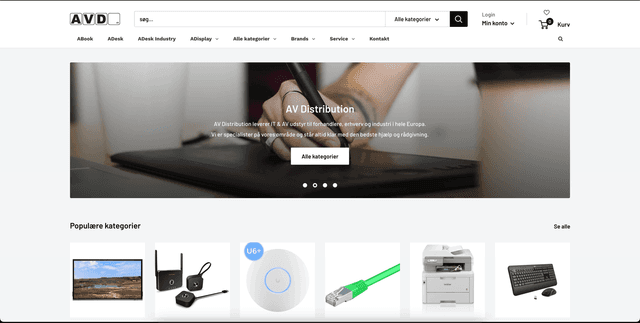
Modernised legacy warehouse management workflows into a cloud-native supply chain platform with real-time inventory, multi-warehouse routing, and ERP integration. Strangler Fig migration from a legacy stack to a containerised Node and Postgres backend.
Read case study →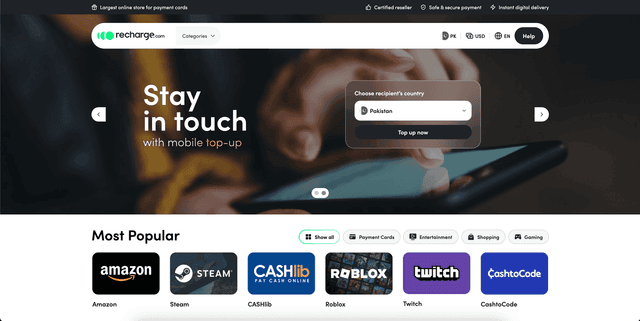
Rebuilt a legacy utility billing and reseller workflow into a modern multi-tenant SaaS platform. Database modernisation, payment infrastructure rebuild, and modern admin UI. Zero downtime cutover across customer cohorts.
Read case study →
Replaced manual spreadsheet workflows and a brittle legacy desktop tool with a unified cloud platform for warehouse operations and eBay inventory sync. Phased rollout per warehouse with feature flag gating.
Read case study →What we deliver. System Modernization
Legacy audit and roadmap
Codebase metrics (LOC, cyclomatic complexity, test coverage, dependency age). Infrastructure cost analysis. Security and compliance gap analysis. Hiring market analysis for the current stack. Pain point quantification in dollars (downtime hours, support cost, feature velocity loss). Target architecture. Phased migration roadmap with milestones, costs, risks, and rollback plans.
Target architecture design
Modern cloud-native target: containerised services on AWS ECS or EKS, GCP Cloud Run, Azure Container Apps, or Render. Postgres or MySQL on RDS or Cloud SQL. Redis for caching and queues. Object storage on S3 or GCS. CDN via CloudFront or Cloudflare. CI/CD via GitHub Actions or GitLab CI. Observability via Datadog, Sentry, OpenTelemetry. IaC via Terraform or Pulumi.
Strangler Fig migration framework
API gateway or reverse proxy (NGINX, Kong, Envoy, AWS API Gateway) routing legacy vs new per route. Feature flag system (LaunchDarkly, GrowthBook, Unleash, or custom) for instant rollback. Dual-write or change-data-capture (Debezium, AWS DMS) for database migration without downtime. Route-by-route validation with shadow traffic before cutover.
Database modernisation
Schema redesign where needed. Zero-downtime migration via dual-write or CDC. Backfill strategy with idempotent migration scripts. Performance validation via load testing. Read replica setup. Backup and disaster recovery configured. Old database decommissioned only after 60 to 90 days of clean operation on the new database.
CI/CD, observability, and security
GitHub Actions or GitLab CI pipelines with test, build, scan, and deploy stages. Container vulnerability scanning. Dependency scanning. SAST and DAST. Observability via OpenTelemetry, Datadog, Sentry, or Honeycomb. Centralised logging via CloudWatch, Datadog Logs, or Loki. PagerDuty or Opsgenie integration. SLO and error budget definition.
Platform engineering and team enablement
Internal developer platform documentation. Onboarding runbook for new joiners. Deployment runbook. Incident response runbook. Optional Backstage or custom internal portal. Pair programming sessions with your internal team during migration. Hand-off plan so your team owns the new platform after engagement ends.
Related capabilities: Enterprise solutions, Custom software development, Cloud DevOps, API integration, Data pipeline engineering, Security audit, Azure AI cloud.
Typical engagement ranges
Modernization audit and roadmap
From $18,000
- Full audit plus target architecture plus phased roadmap plus first modernization module.
- Best for orgs scoping modernization who need a defensible business case before committing.
- 4 to 6 weeks for audit and roadmap; first module delivery follows.
Phased modernization program
From $60,000
- Multi-quarter Strangler Fig migration with route-by-route delivery.
- Target 30 to 60 percent of legacy retired per quarter.
- Best for orgs with active legacy systems costing $300k plus per year to maintain.
- 16 to 36 weeks.
Enterprise transformation
From $135,000
- Multi-team, multi-product enterprise modernization with platform engineering, internal developer platform, observability stack, security overhaul, and team enablement.
- Best for orgs with 5 plus legacy systems and 100 plus engineers.
- 9 to 24 months phased delivery.
FAQ
Strangler Fig is the migration pattern where you build a new system alongside the legacy one, route traffic incrementally to the new system one route or feature at a time, validate, then retire the legacy code only after the new code runs cleanly in production. Coined by Martin Fowler in 2004. We use it on every modernization because it lets you de-risk the migration: any route can roll back to legacy in under 60 seconds via a feature flag. Big-bang rewrites have a documented failure rate above 50 percent. Strangler Fig migrations are below 10 percent because risk is decomposed.