
Amazon SP-API Development. SP-API integrations that survive rate limits and stay compliant.
Amazon Selling Partner API (SP-API) integrations for seller analytics, inventory sync, FBA automation, repricing tools, and SaaS products for Amazon sellers. Compliant with Amazon's data restriction policies. Built to survive rate limits, throttling, and the Tuesday morning API changes. Shipped in 6 to 14 weeks. USD pricing.
Tell us the SP-API use case, marketplace count, and whether it is for in-house use or a SaaS product. Scoped plan plus quote within 3 business days.
Get started in 60 seconds
Who we've built for.








How we work
- Overview
- Three phases from SP-API access to live production. We help with Amazon Developer registration, SP-API role applications, and Restricted Data Token approval if your use case needs it.
- Step 1 — Scope and architecture
- One to two weeks scoping. SP-API endpoint inventory. Marketplace count (US, EU, JP, etc.). Throttling and rate limit planning. Data restriction scope (PII access if needed). Amazon Developer account guidance if not yet approved.
- Step 2 — Build in sprints
- 4 to 10 weeks build. Token caching, retry with exponential backoff, queue-based throttling, idempotency on writes. Real-time plus scheduled sync patterns. SaaS multi-seller support where applicable.
- Step 3 — Harden and launch
- 1 to 2 weeks hardening plus launch. Throttling stress test. Reconciliation of inventory and order data. Amazon compliance review of data handling. Production deploy with monitoring.
Recent ecommerce builds
Recent Amazon and marketplace builds shipped to production.
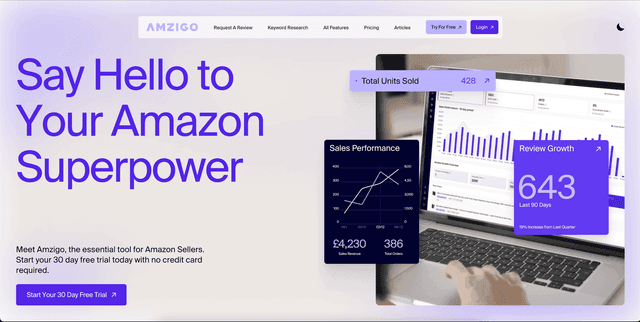
Amazon and multi-marketplace analytics platform with SP-API ingestion, sales performance dashboards, and review monitoring.
Read case study →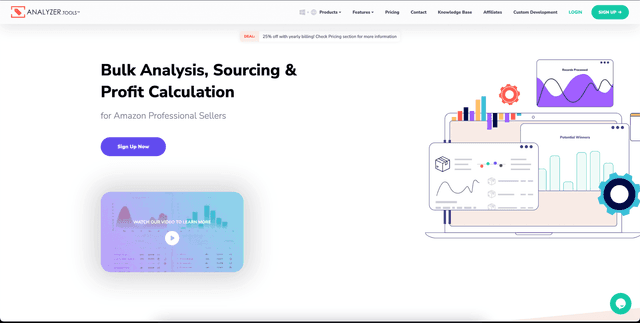
Amazon sourcing SaaS with SP-API integration, FBA fee calculations, profit estimation, and seller-side decision tools.
Read case study →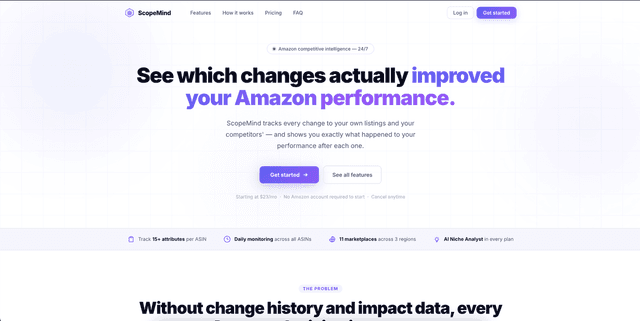
Amazon competitor price tracking with multi-marketplace scraping, alerting, and historical price analysis.
Read case study →What we deliver. Amazon SP-API
Seller analytics dashboards
SP-API ingestion of sales, traffic, advertising, fees, and inventory data. Custom dashboards with multi-marketplace rollup. BigQuery or Snowflake warehouse for cross-time analysis.
Inventory and FBA sync
Real-time inventory updates via FBA Inventory API and Listings Items API. Reservation handling, MFN versus FBN routing, FBA shipment plans, and FBA fee reconciliation.
Order management automation
Order ingestion, status updates, fulfillment routing, returns and refunds workflow. Multi-warehouse support with ship-from-store logic where applicable.
Repricing and competitive tools
Real-time repricing with rule-based and ML-driven pricing logic. Buy Box monitoring. Competitor tracking via Product Pricing API and Catalog Items API.
SaaS products for Amazon sellers
Multi-tenant Amazon SaaS with per-seller token management, OAuth, rate limit isolation per tenant, and tier-based pricing. Common: PPC tools, repricing tools, analytics tools.
SP-API migration from MWS
Migration from deprecated Marketplace Web Service (MWS) to SP-API. API mapping, token model change, data shape changes, retry logic update. Migration without downtime.
Related capabilities: Custom ecommerce tools, Shopify API app development, Marketplace connectors, Inventory & order automation, Custom software development, API integration.
Typical engagement ranges
Single-channel tool
From $4,000
- Internal tool or single-seller SP-API integration.
- Analytics, inventory, or order sync for one problem.
- 6 to 8 weeks.
Multi-channel connector
From $9,500
- Amazon SP-API plus Shopify, eBay, Walmart, or ERP integration.
- Unified inventory and order sync across channels.
- 8 to 12 weeks.
Commerce platform build
From $21,000
- Multi-tenant SaaS or platform for Amazon sellers.
- Per-seller OAuth, tier-based pricing, advanced analytics.
- 12 to 20 weeks.
Maintenance retainer
From $2,200 / mo
- API version updates, throttling monitoring, Amazon policy changes, on-call cover.
FAQ
Yes. We work with Amazon's SP-API daily. We help clients through the Amazon Developer registration, the SP-API role applications (Restricted Data Token if PII access is needed), and the operational discipline of running SP-API integrations in production.