
Airtable Solutions. Bases that actually run the business. Not Frankenstein spreadsheets.
Airtable development for CRM workflows, operations management, content production, and lightweight project tracking. Custom bases, automations, Interfaces for non-Airtable users, Sync across bases, Scripting for advanced logic, and Airtable AI integration. Shipped in 1 to 6 weeks. USD pricing.
Tell us the workflow, team size, and existing data sources. Scoped plan plus quote within 3 business days.
Get started in 60 seconds
Who we've built for.








How we work
- Overview
- Three phases from current-state audit to live in production. We design Airtable bases the way databases should be designed: relational, normalised, and resilient to schema changes.
- Step 1 — Scope and architecture
- Less than 1 week scoping. Current-state audit (spreadsheets, CRM, project tool, data sources). Base architecture (tables, fields, linked records). Automation strategy. Interfaces plan for non-Airtable users. Plan tier audit.
- Step 2 — Build in sprints
- 1 to 4 weeks build. Bases built with proper relational structure: linked records, lookups, rollups. Automations for status changes, notifications, external sync. Interfaces for stakeholders who do not work in Airtable directly. Scripting for advanced logic the no-code automations cannot cover.
- Step 3 — Harden and launch
- Less than 1 week launch. Team training session per Interface. Documentation in Airtable Docs or Notion. Two weeks of hypercare for adoption. Optional ongoing retainer for base evolution.
Recent no-code builds
Recent Airtable and database-driven workflow builds.
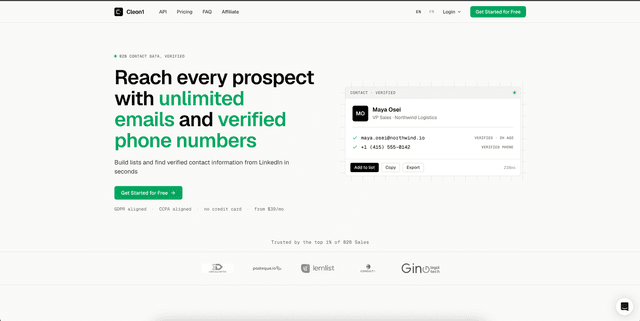
B2B workflow with custom data model, enrichment integrations, and reporting transferable to Airtable base architecture with automations.
Read case study →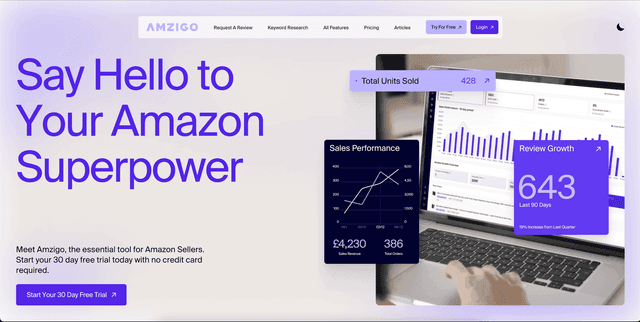
Ecommerce analytics workflows with multi-source data ingestion applicable to Airtable Sync and table linking patterns.
Read case study →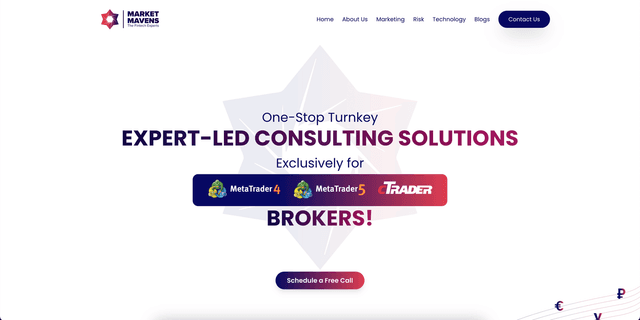
Partner management workflows with multi-stakeholder data and approval flows transferable to Airtable Interfaces design.
Read case study →What we deliver. Airtable
Relational base architecture
Tables with proper field types, primary fields, and linked records. Lookups and rollups for derived data. Junction tables for many-to-many relations. Field naming conventions documented. Base architecture survives schema changes and team reorgs.
Automations with proper triggers
Record-triggered automations for status changes and field updates. Scheduled automations for daily or weekly batch processing. Form-triggered automations for intake. External webhook triggers. Slack, email, and SMS notification actions.
Interfaces for non-Airtable users
Interfaces give stakeholders a curated view of the base without seeing every table. Dashboards for leadership, action queues for ops, gallery views for content review. Interfaces published with role-based access so different teams see different views.
Sync across bases and external sources
Sync between Airtable bases for cross-team data sharing. Sync from Google Sheets, Salesforce, Jira, GitHub, and other sources. Filtered sync for performance and access control. Two-way sync where the source supports it.
Scripting and Airtable AI
Scripting for advanced logic the no-code automations cannot cover (complex calculations, custom data transformations, external API calls beyond webhook). Airtable AI for natural-language generated fields, sentiment analysis, summarisation, and content tagging.
Migration to a real database
When the base outgrows Airtable (record count, query performance, custom logic), we migrate to a custom Postgres plus Next.js stack. Data migration with schema design. Workflow rebuild in code. Typical migration: 50 to 70 percent of greenfield build.
Related capabilities: No-code solutions, Bubble.io development, Webflow development, Glide app development, Retool development, OutSystems development, Automation platforms, Zapier integration.
Typical engagement ranges
No-code MVP
From $3,500
- Single-base Airtable solution with relational data model, automations, and one Interface.
- Best for replacing a single Frankenstein spreadsheet.
- 1 to 2 weeks.
Production no-code build
From $7,000
- Multi-base Airtable workspace with Sync, custom Scripting, Airtable AI, and 2 to 4 Interfaces for different stakeholder teams.
- 2 to 5 weeks.
Enterprise low-code program
From $14,000
- Enterprise Airtable program with workspace governance, custom Apps via Airtable Marketplace, advanced Scripting libraries, and migration planning.
- 5 to 10 weeks.
Maintenance retainer
From $1,200 / mo
- Base updates, automation changes, Interface tweaks, and workflow evolution as ops needs change.
FAQ
Airtable wins for structured data with strong relational features, Interfaces for non-database users, and Sync across sources. Notion wins for content-and-tasks blend with rich documents alongside databases. Coda wins for document-first work with embedded tables. Postgres wins for true scale and full SQL power. We pick at scoping based on data structure, team capability, and scale needs.